Barcoding landscape
Explore DNA barcoding initiatives across Europe
51 initiatives
-
ABOL – the Austrian Barcode of Life Initiative (opens in a new tab)
A trans-institutional initiative aiming to record the genetic diversity of all Austrian animal, plant and fungi species via DNA barcodes
-
SenHAR – Awareness Campaigns for an Italian-Maltese Harmonisation (opens in a new tab)
Creating awareness about the conservation of Vermetid reef, Posidonia oceanica meadow, and Maerl bed habitats in Sicilian and Maltese waters
-
Barcoding freshwater fish of Cyprus (opens in a new tab)
Part of the Cyprus aquatic barcoding initiative - more details coming soon
-
Barcoding mosquito species in Cyprus Island (opens in a new tab)
Part of the Cyprus aquatic barcoding initiative - more details coming soon
-

BiCIKL – Biodiversity Community Integrated Knowledge Library (opens in a new tab)
Connecting infrastructures to enable researchers to access services from generation to publishing across the biodiversity data life cycle
-

Biodiversity of polychaete worms (opens in a new tab)
Providing new knowledge on polychaete worms from Norwegian coastal waters to the deep sea using morphology and DNA barcoding tools
-
BIOSCAN for Flying Insects in the UK (opens in a new tab)
DNA barcoding for a baseline characterisation of the genetic diversity of 1,000,000 flying insects from across the UK over a five year period
-

BIOSCAN France
Terrestrial biodiversity surveillance strategy development in France and overseas territories using DNA metabarcoding
-
BgBOL – The Bulgarian Barcode of Life (opens in a new tab)
A national network aiming to establish collaboration on DNA barcoding in Bulgaria and become a regional representative of the International Barcode of Life (iBOL) project
-

Diat.Barcode – diatom reference library (opens in a new tab)
An open-access curated library of diatom barcodes which has been maintained since 2012
-
Diversity and distribution of Norwegian nudibranchs (Gastropoda, Nudibranchia)
Using DNA barcoding to map and study the nudibranch (sea slug) fauna, diversity and distribution in Norwegian waters
-

Economically important fungi and related organisms: distribution, diversity and human effects
Identifying the factors that drive the diversity and biogeography of fungi and related organisms to analyse their response to future environmental perturbations
-

FinBOL – Finnish Barcode of Life (opens in a new tab)
A network of species experts building a complete DNA barcode reference library for all multicellular species reported to occur in Finland
-

Fostering plant biodiversity research capacity in Bulgaria through scientific excellence in DNA barcoding and metabarcoding (opens in a new tab)
Increasing research and networking capacity, and promoting plant and phytopathogenic fungi biodiversity studies in Bulgaria through DNA barcoding technologies to lay the foundations for the BulBol community
-
FrBOL – French Barcode of Life network
Establish, develop and coordinate a national network for DNA barcoding and contribute to developing national DNA barcode reference libraries for all Eukaryote taxa
-

GES4SEAS (opens in a new tab)
Informing and guiding marine governance in minimizing human pressures and their impacts on marine biodiversity and ecosystem functioning
-

HoliSoils – Holistic management practices, modelling & monitoring for European Forest Soils (opens in a new tab)
HoliSoils tackles gaps in knowledge on forest soil processes and aims to harmonise available soil monitoring information to support decision making towards climate and sustainability goals
-

Iberian Freshwater invertebrates barcoding library
To complete a DNA barcode reference library for Iberian freshwater macro invertebrates to understand community assembly and assess water quality
-
Iberian spiders barcoding library
To complete a DNA barcode reference library for Iberian spiders for unravelling patterns and inferring processes of community assembly
-
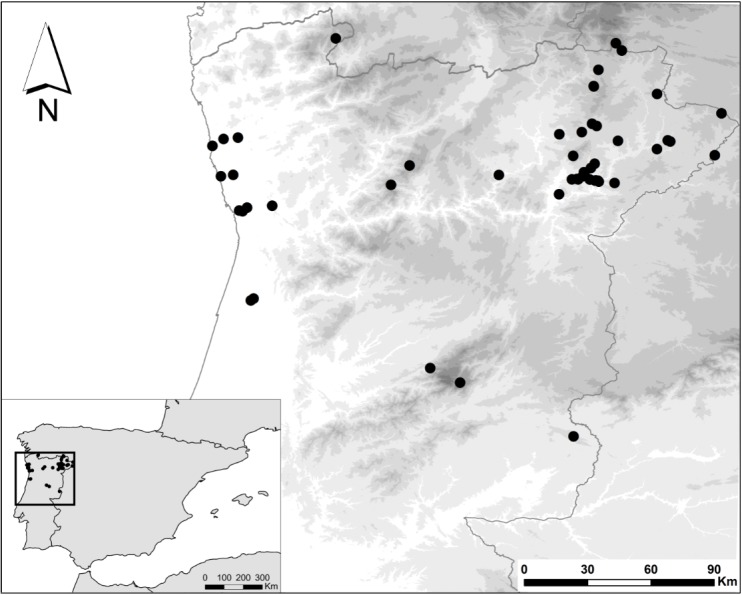
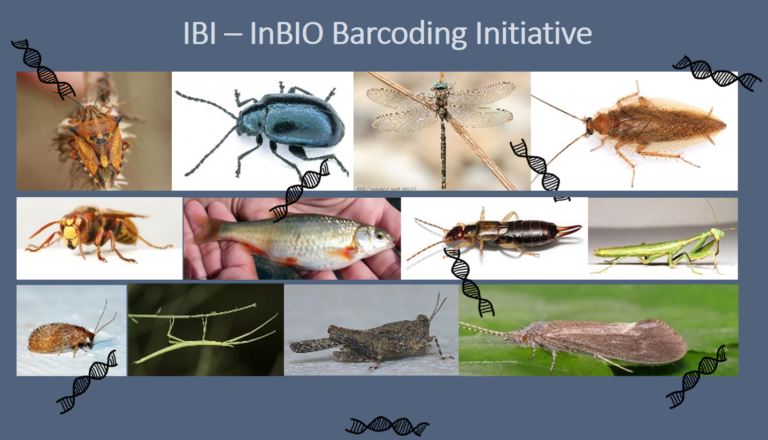
InBIO Barcoding Initiative
Using Next Generation Sequencing technologies to develop a DNA barcoding reference library for Iberian taxa with a special focus on insects
-
InBIO Barcoding Initiative Africa
Using Next Generation Sequencing technologies to develop a DNA barcoding reference library for African taxa with a special focus on insects
-

Internal institutional activity focused on DNA barcoding and metagenomics data
High Throughput Sequencing for DNA barcoding and metagenomics and the development of computational pipelines for barcoding study data analysis and database curation
-

iBOL – International Barcode of Life (opens in a new tab)
Working to establish an earth observation system that will reveal species, their dynamics, and interactions using DNA barcoding
-
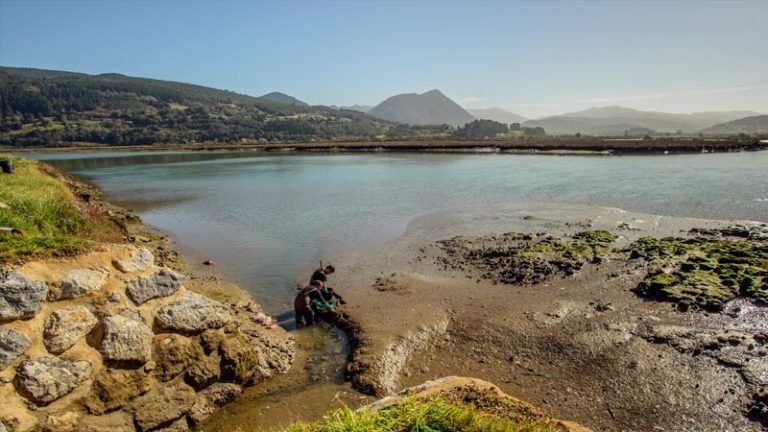
MicroMon (opens in a new tab)
Developing cost-efficient and standardized tools for routine biodiversity assessments of meio- and microbenthos using metabarcoding
-
Mitochondrial diversity of European butterflies (opens in a new tab)
Integrating several DNA barcoding datasets of butterflies from Western Palaearctic harmonised with a shared taxonomy
-
National insect monitoring in Norway (opens in a new tab)
Monitoring of terrestrial insects in "Forest" and "Semi-natural land" ecosystems in Norway, on behalf of the Norwegian Environmental Agency
-
NorBOL – Norwegian Barcode of Life Network (opens in a new tab)
Building a barcode reference library of all multicellular species in Norway, education, dissemination and public outreach
-
Novel DNA-based test for the identification of benthic diatoms of European Freshwater Waterbodies (opens in a new tab)
Designing and validating a DNA metabarcoding methodology for European benthic diatom identification and biodiversity assessments of European rivers
-
PHYTOOL – Phytoplankton reference library (opens in a new tab)
eDNA tools for biomonitoring of freshwater phytoplankton: a web-based application Phytool and selected specific barcode libraries
-
Plant ID
Using accurate, modern and rapid assessment approaches to study, map and describe plant diversity
-

Portugal Barcode of Life (opens in a new tab)
Building DNA barcode reference libraries for marine life (mostly fish, crustaceans, annelids and molluscs)
-
SpainBOL – Spanish Barcode of Life Network and the The Canary Island Barcode consortium
Developing the Spanish iBOL node, and a barcode reference library and metabarcoding protocols for the arthropods of the Canary Islands
-

Spot the Alien (opens in a new tab)
A campaign promoting the submission of reports of Non-Indigenous Species spotted within Maltese waters by citizen scientists
-
Spot the Jellyfish (opens in a new tab)
Increasing awareness about the diversity of jellyfish species and supplying data for marine scientists and tourist authorities through citizen science
-
Taxonomy and systematics of non-biting midges (Diptera: Chironomidae)
Using a variety of molecular markers to investigate species delimitation, diversity and evolutionary relationships in chironomids
-
TETTRIS (opens in a new tab)
Provision of new mechanisms and tools to transfer taxonomic fundamental knowledge to other societal and scientific actors
-
TurkBOL – Turkish Barcode of Life (opens in a new tab)
DNA barcoding and eDNA metabarcoding of terrestrial and aquatic species from microorganisms to mammals
-

Italian National Biodiversity Future Center NBFC (opens in a new tab)
The National Biodiversity Future Center aims to monitor, conserve, restore, and valorize (MCRV) Italian and Mediterranean biodiversity.
-
PolBOL – Polish Barcode of Life (opens in a new tab)
PoLBOL is a national iBOL-BIOSCAN node and an initiative coordinated at UniLodz.
-

ReSPonSE (opens in a new tab)
Insects possess relevant attributes that make them well-suited for environmental monitoring. They can provide insights into ecosystem integrity and anthropogenic disturbance. The main aim of the project is to monitor and evaluate ecosystems’ status and services through assessment of insect abundance and diversity with Malaise and pitfall traps using conventional morphological identification and DNA barcoding.
-
METAPLANTCODE (opens in a new tab)
The METAPLANTCODE project aims to test and optimise pan-European case studies on metabarcoding, provide best practice recommendations, optimise analysis pipelines for species identification, and create easy-to-use reference databases.
-

GrBOL – Greek Barcode of Life (opens in a new tab)
GrBOL partners provide their professional taxonomic expertise and existing infrastructure (collections/biobanks, databases, bioinformatics platforms and laboratories) for the comprehensive collection, recording, description and sequencing of animal, plant and fungal species in Greece.
-
UKBOL (opens in a new tab)
UKBOL is a network of UK government agencies, biodiversity institutions and individual scientists engaged in DNA barcoding of the biota of the United Kingdom.
-

SwissBOL – Swiss Barcode of Life (opens in a new tab)
SwissBOL is a project initiated by the Federal Office for the Environment for the centralization and dissemination of genetic data on biodiversity hosted in Switzerland.
-
CaBOL – Caucasus Barcode of Life (opens in a new tab)
The BMBF-funded project Caucasus Barcode of Life (CaBOL) aims to catalogue numerous animal and plant species of the Caucasus.
-
BopCo – Barcoding of Organisms and tissues of Policy Concern (opens in a new tab)
BopCo aims at developing an expertise forum to facilitate the identification of biological samples of policy concern. Such identifications can rely on traditional morphology-based approaches requiring taxonomic expertise and/or DNA-based techniques demanding specific skills and access to a fully equipped molecular laboratory.
-
GBOL (opens in a new tab)
The German Barcode of Life (GBOL) aims at capturing the genetic diversity of animals, fungi and plants in Germany.
-
MEDFORGEN (opens in a new tab)
MEDFORGEN – the Mediterranean Forest Genetic Resources Network works to improve the capacity of Southern and Eastern Mediterranean countries to conserve and enhance forest genetic diversity, strengthening their ability to adapt to increasing climate pressures.
-

UCarpHT (opens in a new tab)
UCarpHT investigates the biodiversity, functional traits and phylogenetic structure of high-mountain meadows of the Ukrainian Carpathians in the context of habitat transformation.
-
UMMI – Understand, Monitor and Mitigate Insect Decline across Europe
UMMI - Understand, Monitor and Mitigate Insect Decline across Europe
-
OPENBAR
OPENBAR – Open Barcoding for All Researchers is a Biodiversity Genomics Europe plus initiative to democratise DNA barcoding across taxa, regions, and research scales through standardised solutions.







No initiatives match these filters
Try removing a filter or changing your search.